
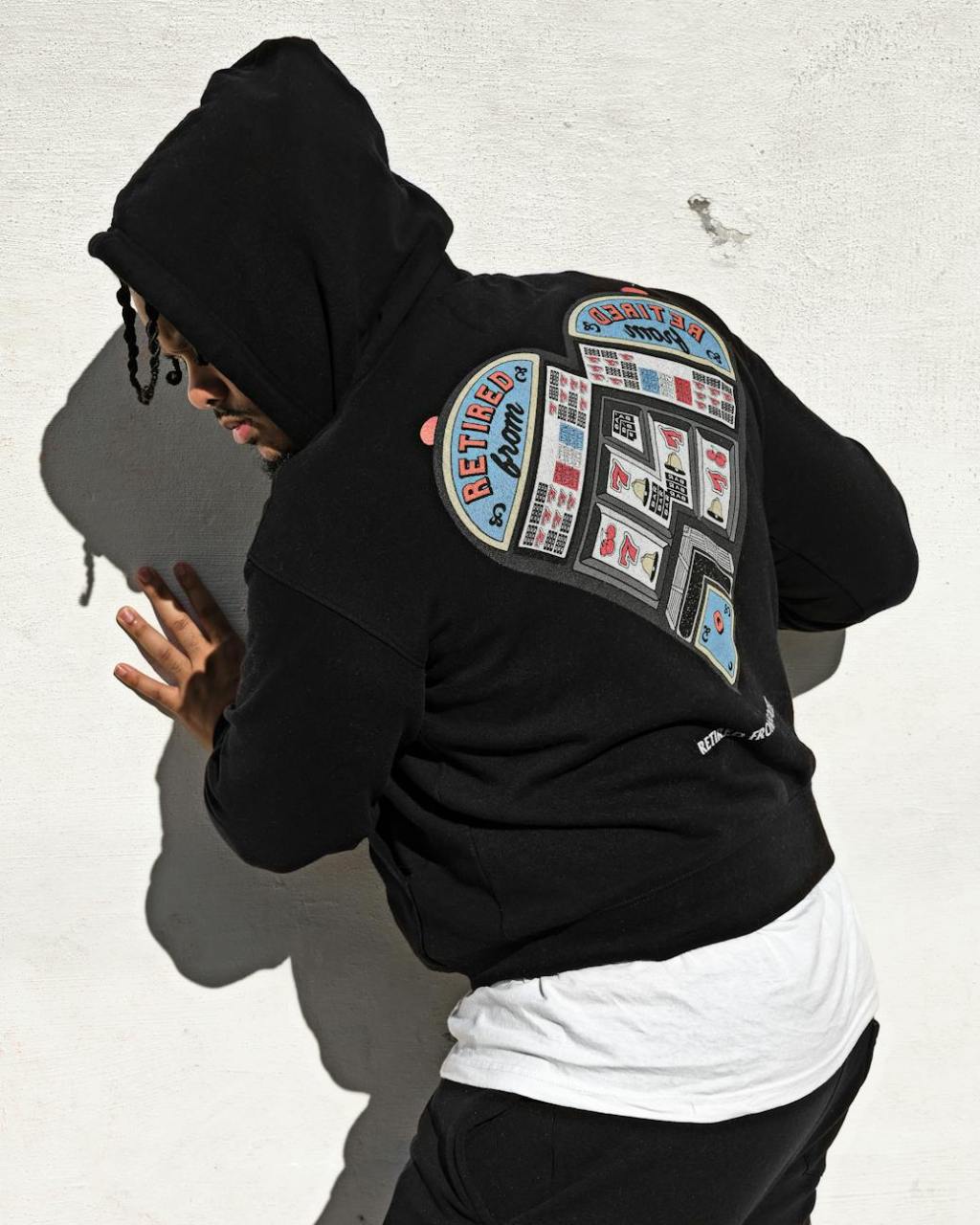
Here are our top tips for pressing DTF (Direct-to-Film) transfers to ensure you get the best possible results:
Preparation
Preheat the Garment: Always preheat the garment for a few seconds to remove moisture and wrinkles. This ensures a smooth surface for the transfer.
Clean the Surface: Make sure the surface of your heat press and the garment are clean and free of dust, lint, or debris, which can affect adhesion. A lint roller or tape is a good way of doing this.
Use a Proper Heat Press: While a household iron can work, a commercial heat press provides consistent pressure and temperature, leading to better results.
Check Temperature Settings: Ensure your heat press is set to the correct temperature, usually around 145°C, depending on the DTF transfer manufacturer’s recommendations.
Test Print: Before pressing a large batch, do a test print on a similar fabric or garment to check for colour accuracy, adhesion, and alignment.
During Pressing
Position Accurately: Align the transfer on the garment carefully. Use rulers or guides if necessary to ensure the design is centred and straight.
Use Heat Tape: If necessary, secure the transfer in place with heat-resistant tape to prevent it from shifting during pressing.
Apply Consistent Pressure: Make sure the heat press applies firm and even pressure across the entire design. Insufficient pressure can result in poor adhesion or uneven prints. This can be achieved with telfon pillows on garments such as polo shirts.
Press Time: Follow the recommended pressing time, usually around 12 seconds. Pressing for too long or too short can affect the quality and durability of the transfer.
Cool Peel vs. Hot Peel: Check if your DTF transfer is a hot peel or cool peel type. If it’s a cool peel, wait for the transfer to cool completely before removing the film to avoid smudging or lifting the design. Hot peel DTF transfers are faster, although with intricate designs such as lineart or very small writing it can be better to let this cool before peeling.
Use a Protective Sheet: Place a Teflon or silicone sheet (or even a sheet of greaseproof paper) over the transfer during pressing to protect the design and prevent sticking.
Post-Pressing
Re-pressing for Durability: After peeling the film, re-press the garment with a Teflon sheet or parchment paper for an additional 2-3 seconds to enhance durability and soften the design.
Allow Cooling Time: Let the garment cool down completely before folding or packaging.
Other Tips
Store Transfers Properly: Store unused DTF transfers in a cool, dry place, away from direct sunlight to maintain their quality.
Check for Proper Humidity: The environment should be neither too humid nor too dry. Optimal humidity levels can prevent issues like poor adhesion or static.
Avoid Overlapping Seams: Ensure the transfer is not placed over seams or uneven surfaces, as this can cause poor adhesion or uneven pressure.
Adjust for Different Fabrics: Different fabrics might require slight adjustments in temperature, pressure, or time. Always refer to the manufacturer’s guidelines for specific fabric types. For example: T-shirts are quite simple to press onto, but for hoodies, we usually recommend cold-peeling your transfers as they tend to hold onto moisture.
Clean the Heat Press: Regularly clean the heat press platen to remove any residue that could affect the quality of future transfers.
Maintain the Heat Press: Regularly check your heat press for consistent temperature and pressure, and calibrate it as needed to ensure optimal performance.
By following these tips, you can achieve professional-quality results with your DTF transfers, ensuring vibrant, durable, and well-adhered designs on your garments.
Post any questions you have in the comments below.




 dtftransfersuk.com
Leave a comment